
The Silver Lining
Play The Silver Lining
The Silver Lining Screenshots


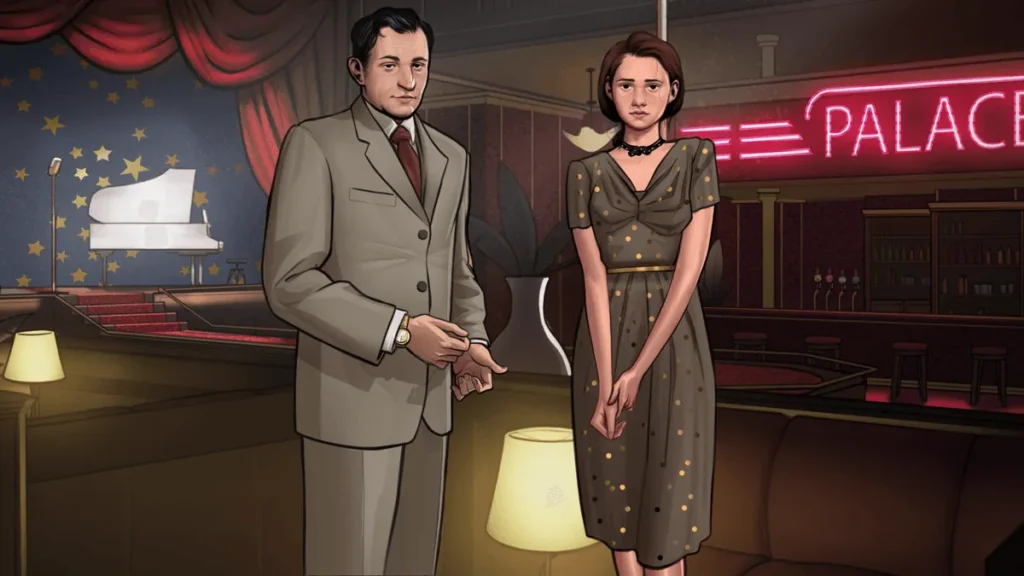
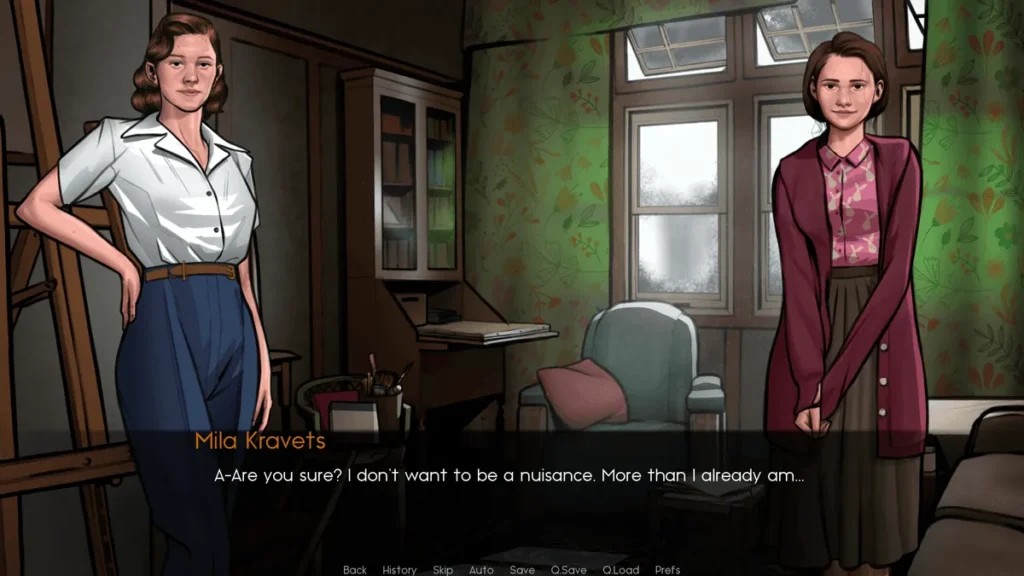

The Silver Lining review
Personal impressions, gameplay breakdown, and practical tips for enjoying The Silver Lining
The Silver Lining is one of those niche titles that you usually hear about through word of mouth, late-night forum threads, or a curious link from a friend. When I first launched The Silver Lining, I wasn’t expecting much beyond a quick distraction, but a few hours in, I realized there was more going on under the surface. In this guide, I’ll walk you through how the game feels to play, what its strongest and weakest points are, and who will actually enjoy it. Think of this as a candid, player-focused breakdown so you can decide if The Silver Lining deserves a spot in your backlog.
What Is The Silver Lining Game All About?
So, you’ve heard the name The Silver Lining floating around and you’re curious. Maybe a friend mentioned it, or you saw it in a forum thread about story-rich games. But what is it, really? Is it just another visual novel? A life sim? Something else entirely? 🤔
Let’s pull back the curtain. The Silver Lining game is a deeply narrative-driven, adult-oriented PC experience. It lives in that compelling space where character interactions, personal progression, and a slowly-unfolding plot are the main attractions, not reflexes or complex mechanics. Think of it less as a traditional “game” you “beat,” and more as an interactive storybook where your choices gently nudge the direction of the narrative.
Core premise and setting of The Silver Lining
At its heart, The Silver Lining story is a character study wrapped in a moody, atmospheric shell. You step into a fictional, stylized world that feels familiar yet intentionally vague—it’s less about specific geography and more about the emotional landscape. The characters you meet are distinct, with a design that leans into a certain stylized realism, making them memorable without aiming for pure graphical spectacle.
The The Silver Lining setting is a blend of the mundane and the dramatic. You’ll experience perfectly ordinary, slice-of-life moments: sharing a quiet drink, navigating a slightly awkward conversation, or simply managing your character’s daily routine. But these are juxtaposed against darker, more mature themes—regret, ambition, fractured relationships, and the quiet search for meaning. The core premise often revolves around a central, personal mystery or a pivotal life crossroad. What is the “silver lining” your character is seeking? Is it redemption, a fresh start, truth, or connection? That’s for you to discover.
Your role is typically that of an observer-participant, drawn into the lives of others while managing your own path. The progression is tied to unlocking new scenes, deepening relationships, and peeling back the layers of the central narrative hook. It’s a game about moments and revelations, not leveling up a skill tree.
A quick but crucial note: This guide is focused solely on The Silver Lining game. It’s a standalone experience, not tied to other media like films or book series with similar names. When we talk about the story and characters here, we’re talking about this specific digital experience.
If you’re wondering whether to take the plunge, here’s the gist of what you’re signing up for:
* A Premise of Discovery: Uncovering a personal story, piece by piece.
* A Specific Tone: A balance of relatable everyday life and impactful dramatic weight.
* Built-in Replay Value: Your choices matter, encouraging multiple playthroughs to see different facets of the story.
How The Silver Lining structures its story and progression
The architecture of The Silver Lining narrative game is what makes it truly distinctive. This isn’t a linear, point-A-to-point-B story. Instead, it employs a branching, choice-driven structure that often unfolds across specific character routes or paths. Your early decisions—some seemingly insignificant—can steer you toward spending more time with one character’s subplot over another, unlocking unique scenes and outcomes.
Let’s break down The Silver Lining gameplay overview. Progression is frequently tied to a system of time-based events or relationship meters. You might have a certain number of “time blocks” per in-game day or week to spend on activities: visiting locations, initiating conversations, or working on personal goals. Do you use your afternoon to follow up on a cryptic clue, or to hang out with a character who seems lonely? The resource you’re managing is often attention and opportunity.
Dialogue choices are the primary tool here. They rarely have obvious “good” or “bad” tags. Instead, they reflect different attitudes—playful, sincere, cynical, withdrawn. Choosing one doesn’t just change the next line; it can influence a character’s perception of you over the long term, locking or unlocking future interactions.
In terms of pacing, The Silver Lining is deliberate. It doesn’t rush to explosive plot twists in the first hour. The initial pace can feel slow, almost methodical, as it establishes the rhythm of life and your place within it. Compared to faster-paced indie narratives, it asks for a bit of patience. But that patience pays dividends. The slow burn makes the dramatic turns and emotional payoffs feel earned and significantly more impactful. It’s not “grindy” in a traditional sense, but it does ask you to invest in the quiet moments.
I remember my first proper session with The Silver Lining game. I spent a good hour just… existing in its space. I clicked through my character’s morning routine, chose some benign dialogue, and wondered where it was all going. Then, in a late-night scene, a character I’d been casually chatting with finally dropped their guarded facade and shared a vulnerable, heartbreaking memory. The shift from casual to profound was so sudden and genuine that it completely hooked me. It taught me that in this game, the payoff is in the proximity you build.
| Aspect | How It Works in The Silver Lining |
|---|---|
| Story Unfolding | Branching paths & character-specific routes, revealed through accumulated choices. |
| Player Progression | Managed through time/resource allocation (e.g., daily actions) and hidden relationship values. |
| Key Player Activity | Meaningful dialogue selection and conscious allocation of your character’s time and focus. |
| Pacing Feel | Deliberate and character-focused, with emotional peaks arising from accumulated context. |
Who The Silver Lining is really made for
Let’s be perfectly honest: The Silver Lining game is not for every player. It’s a niche, curated experience. So, who is The Silver Lining for in practice?
It’s made for the player who relishes character-focused stories above all else. If you love dissecting motivations, uncovering backstories through subtle hints, and feeling like you truly know the digital people on your screen, this is your jam. It’s for those who enjoy slower pacing—the literary equivalent of a slow-burn novel where atmosphere and internal conflict are the main events.
You need to go in with the right expectations. This is not a competitive or action-packed title. You won’t find combat, racing, or puzzles that test your logic. The “gameplay” is the act of observing, choosing, and witnessing the consequences. The joy is in the curiosity—”What happens if I say this?” or “What’s her story if I dedicate this playthrough to her?”
My practical advice for a new player? Adjust your mindset. Don’t approach it looking to “win.” Approach it like you’re directing a miniature play or curating an experience. Be patient. Let the game’s rhythm settle in. Take notes if you’re the type who wants to see everything, because the replay value is high—seeing how different choices divert the story is a core part of the fun.
In my opinion, the premise of The Silver Lining will win over players who seek out experimental, narrative-heavy indie games. It’s for those who played a story-driven title and wished they could linger in its world a little longer, peel back one more layer. It’s a quiet, sometimes melancholic, but ultimately rewarding experience about finding light in nuanced, often messy situations. If that sounds intriguing, then you’ve found your next game. 🕯️
Spending time with The Silver Lining made it clear that this is a game built for players who enjoy slower, more deliberate storytelling and are willing to experiment with different choices to see everything it has to offer. Its strengths lie in the way it encourages you to explore its scenes, get to know its characters, and lean into its particular tone instead of rushing through. If you’re searching for a distinctive, narrative-driven experience and are curious about how far an indie title can push its concept, The Silver Lining is worth giving a serious, open-minded look. The best way to judge it is to dive in yourself and see whether its style lines up with what you enjoy.