Peeping Dorm Manager Screenshots





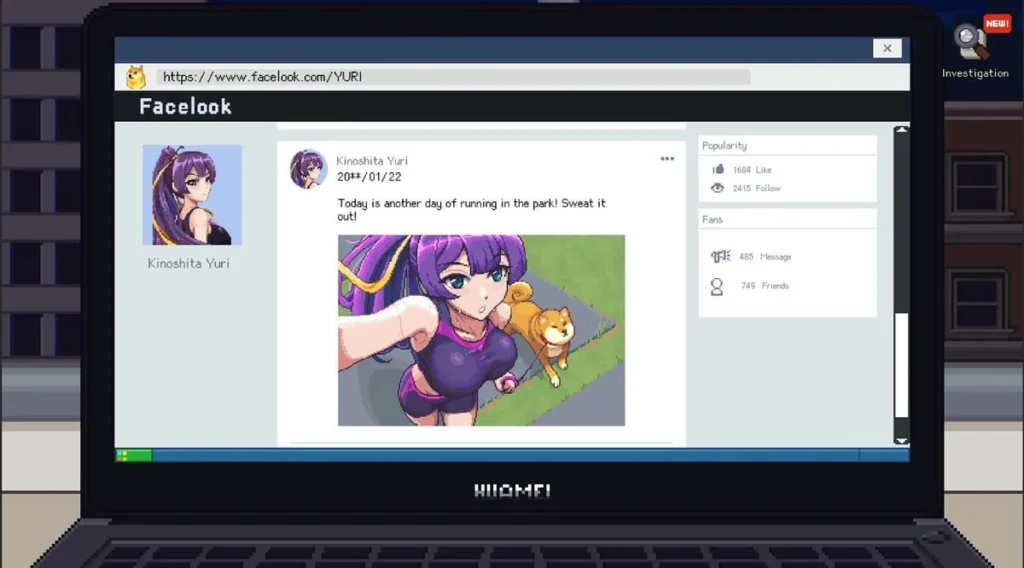
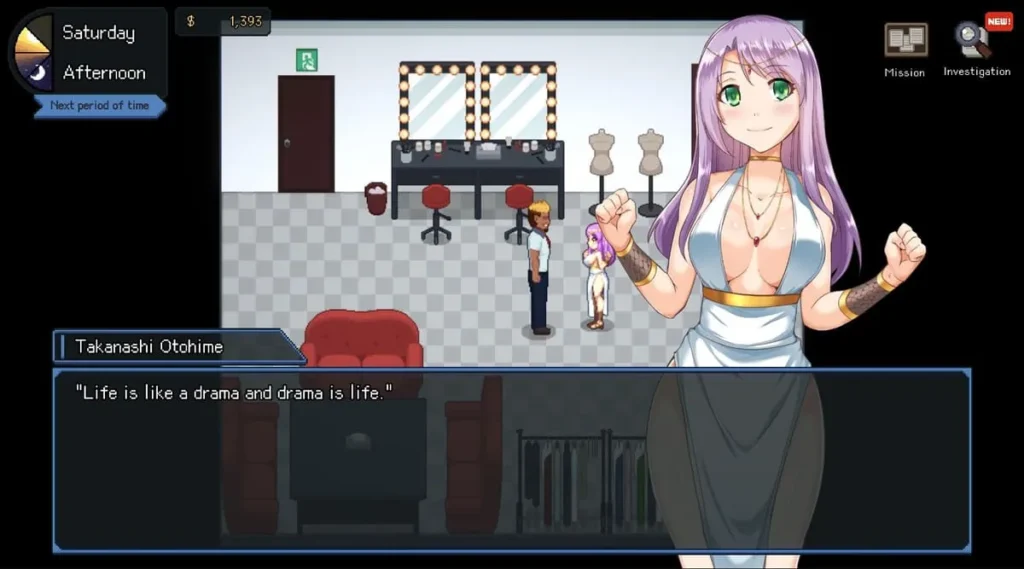
Peeping Dorm Manager review
Everything you need to know about this controversial puzzle role-playing experience
Peeping Dorm Manager is a voyeuristic role-playing puzzle game that has generated significant discussion in gaming communities. In this game, you assume the role of a dormitory manager responsible for maintaining and managing a female dormitory. The gameplay involves installing surveillance equipment, gathering information about residents, and using that knowledge strategically within the game’s puzzle mechanics. This guide explores the core mechanics, gameplay features, and what makes this title unique in the indie gaming landscape.
Understanding Peeping Dorm Manager: Core Gameplay Mechanics
So, you’ve heard the buzz, seen the screenshots, and you’re wondering what all the fuss is about with Peeping Dorm Manager. Is it just a quirky indie title, or is there a genuinely compelling brain-teaser underneath its provocative premise? 🤔 As someone who’s logged more hours than I’d care to admit meticulously planning camera angles and cross-referencing student schedules, let me pull back the curtain. This isn’t just a game about observation; it’s a deeply strategic dorm manager puzzle game that challenges your logic, memory, and management skills in equal measure.
At its heart, the Peeping Dorm Manager gameplay loop is deceptively simple: you are tasked with running a university dormitory. But your residents are a secretive bunch, each hiding personal stories, relationships, and problems. Your official job is to maintain order and solve issues. Your unofficial toolset? A briefcase of surveillance gear and a sharp mind for puzzles. This unique blend is what defines its role-playing puzzle mechanics. You’re not just a passive watcher; you’re an active sleuth, using every scrap of intel to piece together a larger narrative. Let’s dive in and demystify exactly how to play Peeping Dorm Manager.
### What is Peeping Dorm Manager?
Imagine your favorite logic puzzle book got fused with a character-driven narrative and a dash of resource management sim. That’s Peeping Dorm Manager in a nutshell. 🎮 Developed by a small indie team and available on platforms like Steam, this title puts you in the worn-out shoes of a new manager assigned to a dorm filled with eclectic students. Your goal isn’t to cause trouble, but to prevent it—by any means necessary.
The core premise hooks you immediately: to help your residents and keep the dorm running smoothly, you need information. Since they won’t just tell you their secrets, you have to discover them. This is where the game’s defining surveillance game mechanics come into play. You’ll be granted a modest budget to purchase and place hidden cameras and microphones in common areas and, eventually, private rooms. But this isn’t a free-for-all; it’s a carefully balanced game progression system where every decision counts.
I remember my first playthrough, feeling utterly overwhelmed. I placed a camera in the lounge, thinking I’d see everything, only to realize I’d completely missed a crucial whispered conversation in the hallway corner. That’s the learning curve! The game quickly teaches you that brute-force observation is inefficient and costly. Success comes from clever deduction and strategic planning, hallmarks of a great indie puzzle game guide subject. It’s less about “peeping” for its own sake and more about targeted intelligence gathering to solve specific, evolving puzzles presented by each character’s storyline.
### Core Gameplay Features and Mechanics
The Peeping Dorm Manager gameplay is built on three interconnected pillars: Surveillance, Puzzle-Solving, and Role-Playing. Mastering their synergy is key to progressing from a flustered new hire to a master dorm manager. 🏆
Here’s a breakdown of the key systems you’ll need to master:
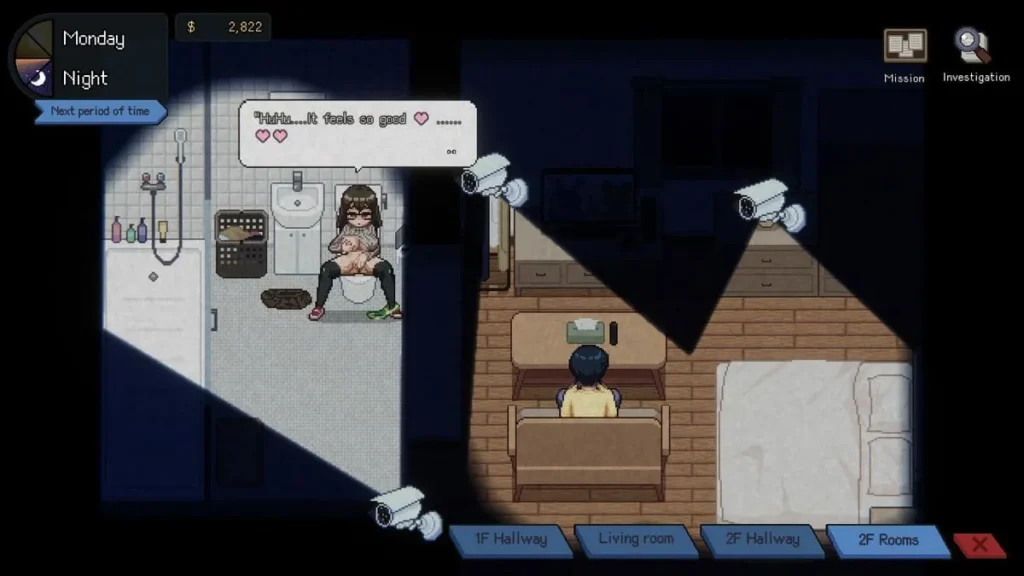
- The Surveillance Toolkit: Your primary interface with the dorm. You start with basic, low-range cameras and audio bugs. As you earn in-game currency and reputation, you can upgrade to gear with wider angles, night vision, or better sound clarity. Placement is a puzzle in itself! You need to cover high-traffic areas while conserving equipment, all while avoiding suspicious “blind spots” where secrets might slip by.
- The Information Network: This is your “evidence board.” Every snippet of conversation, every observed action, and every found item gets logged here. The game doesn’t connect the dots for you. You must manually review logs, cross-reference timestamps and locations, and tag information to specific characters or ongoing issues. It’s immensely satisfying when a scattered sentence from Monday finally clicks with an observed meeting on Thursday.
- Character Interaction & Role-Playing: This isn’t a sterile puzzle box. Each student has a daily schedule, personality, and relationships. You’ll learn their routines—when they study, when they argue with their partner, when they sneak out. Your role-playing choices matter. Confronting a student with evidence can resolve a plotline, but it can also damage trust. Sometimes, indirect help (like anonymously leaving a helpful item) is the better solution.
- Resource & Reputation Management: Money isn’t infinite. You must budget for new surveillance gear, dorm repairs, and even bribes for information. Your reputation with both students and the university administration is a vital currency. Solve problems efficiently and ethically (or at least, discreetly), and you’ll gain more resources and leeway. Fail too often, and you’ll be out of a job.
Pro Tip from a Veteran Manager: Don’t try to watch everyone at once early on. 👁️ Pick one or two pressing “client cases” provided by the game and focus your equipment on those characters. It conserves resources and teaches you the surveillance game mechanics in a manageable way.
The following table outlines the core gameplay loop you’ll experience day-to-day in the dorm:
| Phase | Your Actions | Primary Goal |
|---|---|---|
| **Morning Planning** | Review quest log, check character schedules, plan equipment placement based on predicted movements. | Set strategic objectives for the day’s observation. |
| **Daytime Observation** | Monitor live camera feeds or review recorded footage, taking notes on key events and dialogues. | Gather raw data and evidence. |
| **Evening Analysis** | Sift through the Information Network, connect clues to specific characters or puzzles, update case files. | Transform observations into solvable puzzles. |
| **Nighttime Intervention** | Choose how to act on your findings: confront a student, send an anonymous note, or adjust surveillance for the next day. | Resolve storylines and progress the game state. |
This loop creates a compelling rhythm. You’re constantly shifting between active observation, passive review, and critical thinking. Updates like v1.1.0 have polished this loop further, adding more resident schedules and refining the UI of the Information Network, making this indie puzzle game guide even more necessary to navigate the new layers of depth. 🛠️
### How the Puzzle System Works
If the surveillance tools are your eyes and ears, the puzzle system is the game’s brain. This is where Peeping Dorm Manager truly shines as a unique dorm manager puzzle game. Forget jigsaw pieces or sliding blocks; here, the puzzles are the residents’ lives themselves. 🧩
Each student presents a “case file” or a series of escalating problems. One might be failing classes, another might be involved in a risky relationship, and a third could be stealing from others. Your job is to uncover the why and the how to provide a solution. The role-playing puzzle mechanics demand you think about cause and effect.
For example, let’s walk through a typical case: The Missing Heirloom.
1. The Prompt: A student reports a valuable family ring is missing from their room. They’re distraught.
2. Observation & Data Gathering: You check logs. You notice another student was seen lingering near that room. Reviewing that student’s recent audio logs, you hear them complaining about urgent debt. This is a clue, not proof.
3. The Deduction Puzzle: You now have a suspect and a motive, but no evidence. You need to catch the act or find the stolen goods. You check the suspect’s schedule and see they visit a secluded storage closet every evening. You lack a camera there.
4. Strategic Action: You spend limited resources to place a camera in that closet. You wait (often speeding up time in-game). The next evening, you observe the suspect hiding the ring there.
5. Resolution: Now you have choices—the puzzle’s final layer. Do you confront them directly? Report them to authorities? Or perhaps you discover their deeper problem and find a way to solve their debt anonymously, leading them to return the ring out of guilt? Each choice has different effects on reputation and story outcomes.
This process is the core of how to play Peeping Dorm Manager. It’s a constant cycle of:
Hypothesis -> Targeted Surveillance -> Evidence Collection -> Logical Deduction -> Ethical/Moral Choice.
The game’s progression is gated by your skill in this cycle. Early puzzles might only require observing one interaction. Later, complex cases involve multiple residents, red herrings, and intertwined timelines that require you to manage several surveillance operations simultaneously. The game progression system is directly tied to your puzzle-solving efficiency. Solving cases earns you money and reputation, which unlocks new floors of the dorm, more residents with deeper stories, and better tools to tackle even tougher puzzles.
It’s this respectful, almost detective-like treatment of its core premise that separates it from mere shock value. You’re not a omnipotent voyeur; you’re a resource-constrained problem-solver using unconventional methods. The satisfaction comes from the mental “click” of solving the puzzle, not just from the act of watching. As of the latest versions, the developers have added more multi-stage puzzles that unfold over weeks of in-game time, demanding long-term strategy and making your role as manager feel truly impactful. 📈
### Frequently Asked Questions About Gameplay
Q: I’m uncomfortable with the premise. Is the game just about invasion of privacy?
A: That’s a fair and common first impression. However, the game’s design frames surveillance as a flawed but necessary tool for solving problems and helping people. The narrative weight is on the consequences of your actions and the ethical dilemmas you face. The focus is squarely on the puzzle-solving and management strategy, not on sensationalism. Think of it more as a detective simulator in a very specific setting.
Q: How difficult are the puzzles? Do I need to be a genius?
A: Not at all! The early game does a great job of tutorializing the systems with simpler cases. The difficulty curve is well-designed. The challenge comes less from fiendish logic and more from managing your attention and resources. It’s about patience, note-taking, and connecting dots. If you get stuck, stepping away and revisiting your evidence log with fresh eyes often does the trick.
Q: Is there a “game over” state? Can I fail?
A: Yes, but it’s forgiving. Your main resources are money and reputation. If you bankrupt your budget on useless gear or consistently make poor choices that anger everyone, you can be fired. However, the game allows for saves and doesn’t punish experimentation harshly. It encourages you to learn from failed strategies.
Q: How long is the game, and is there replay value?
A: A single playthrough, focusing on the main story puzzles, can take 15-20 hours. Replay value is high due to the role-playing puzzle mechanics. Different choices in resolving cases lead to different narrative outcomes and character endings. You might also try challenge runs, like solving cases with minimal equipment or aiming for a “perfect” reputation.
Q: What’s new in updates like v1.1.0?
A: Recent updates typically add quality-of-life features (like better log filters), new resident characters with associated puzzles, more dialogue, and sometimes new surveillance items. They expand the world and refine the Peeping Dorm Manager gameplay based on community feedback. Always check the patch notes on its store page!
Ultimately, understanding Peeping Dorm Manager is about looking past its initial hook. It’s a thoughtfully crafted, challenging experience that merges the careful planning of a puzzle game with the narrative engagement of a role-playing game. It asks you to think strategically, manage resources wisely, and live with the consequences of your deductions. Whether you’re a fan of logic games, management sims, or unique narrative experiences, this dorm manager puzzle game offers a deeply engaging, albeit controversial, playground for your mind. 🧠 Now, if you’ll excuse me, I have a strategically placed microphone in the cafeteria that might just pick up the next big clue…
Peeping Dorm Manager stands out as a distinctive indie title that combines puzzle-solving with role-playing elements in an unconventional setting. The game’s core mechanics revolve around information gathering and strategic decision-making, creating a unique gameplay experience that has attracted attention within gaming communities. Whether you’re interested in puzzle games, indie titles, or unconventional role-playing experiences, understanding the game’s mechanics and features provides valuable context for what the title offers. The ongoing development and updates to the game demonstrate the developer’s commitment to refining the experience. For players seeking something different from mainstream gaming offerings, Peeping Dorm Manager presents an alternative gaming experience worth exploring.