To Be A King – Volume 1 Screenshots




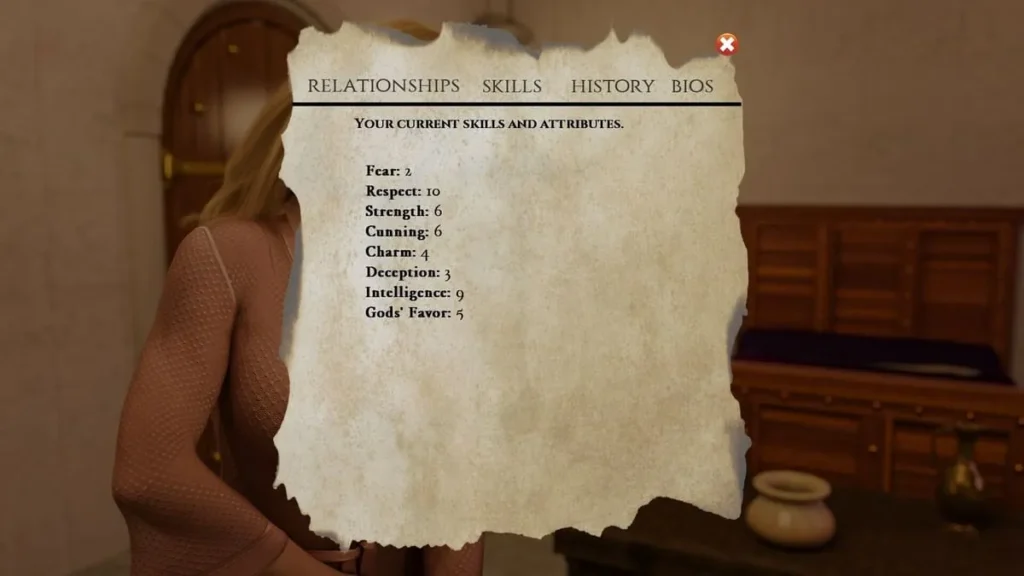

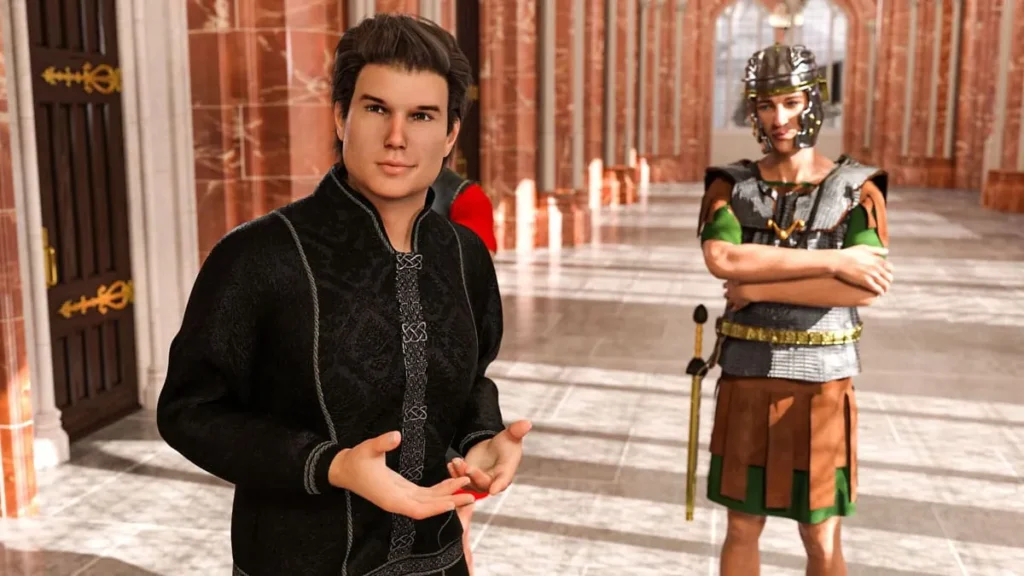
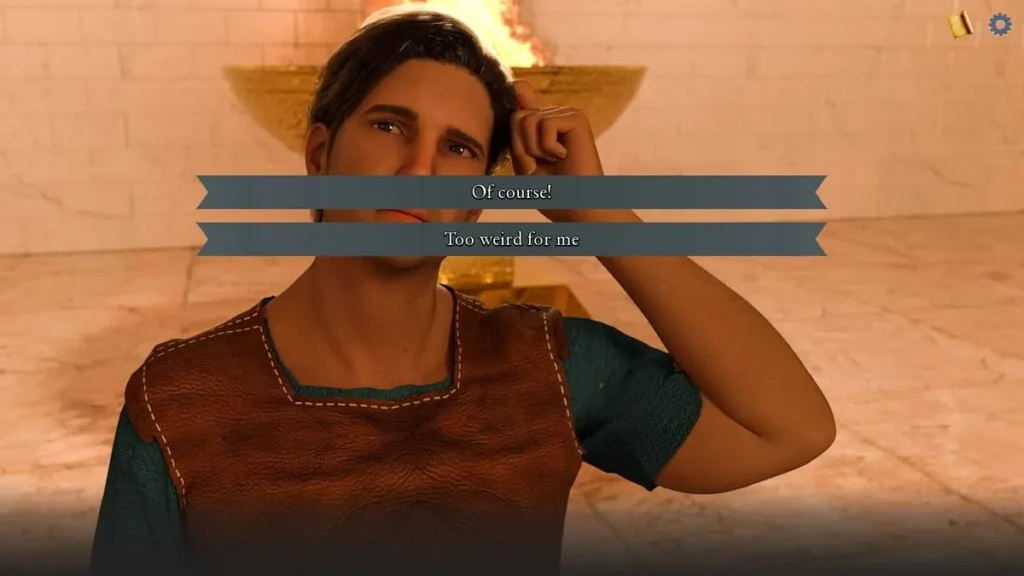





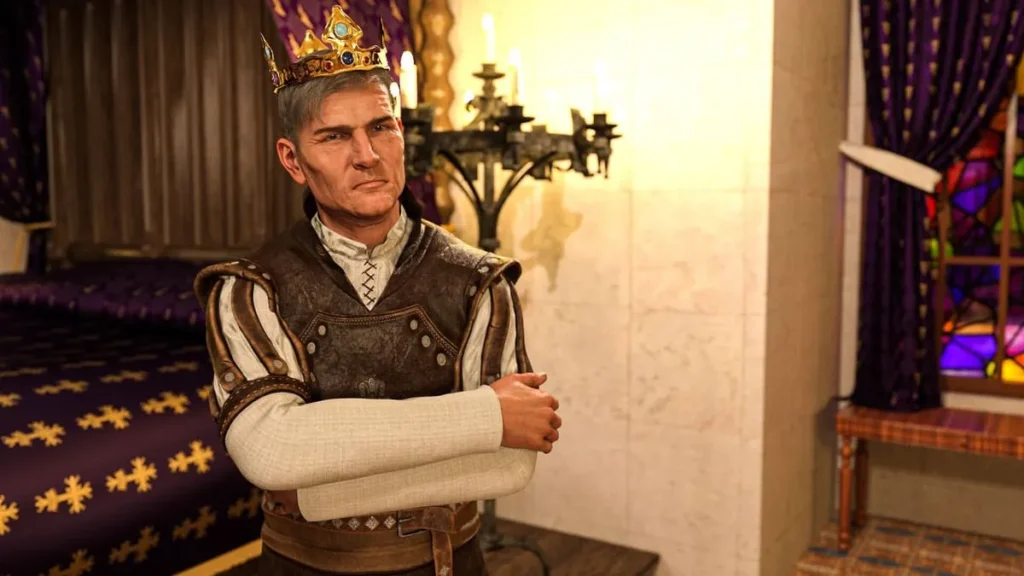
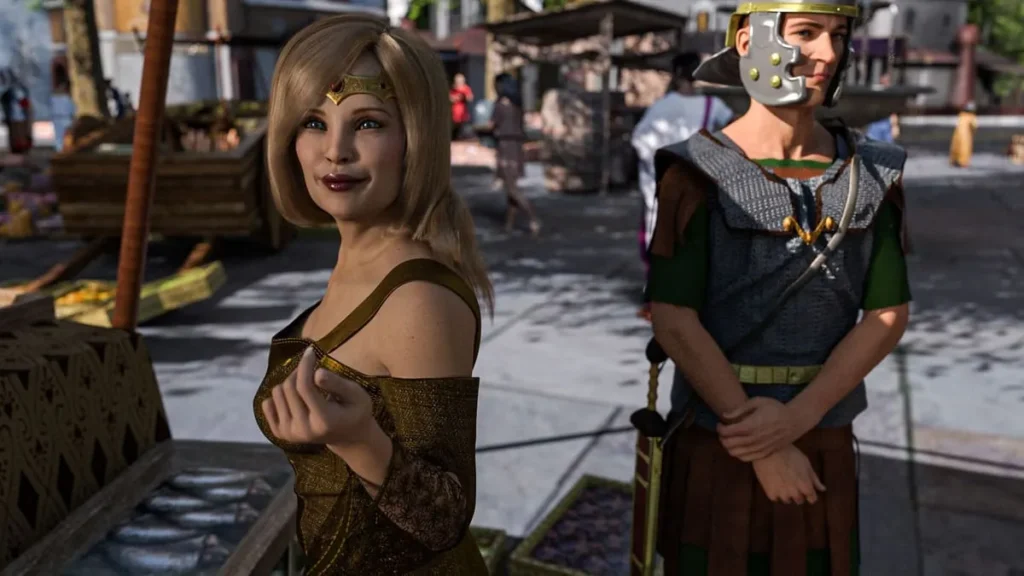




To Be A King – Volume 1 review
Explore Empire Management, Romance, and Political Strategy in This Adult Visual Novel
To Be A King Volume 1 stands out as a sophisticated adult visual novel that blends empire management with deep narrative choices. This game invites players to assume the role of a Roman emperor, navigating complex political landscapes while building relationships and managing diplomatic relations. Unlike traditional visual novels that focus solely on storytelling, To Be A King combines strategic gameplay with character development, offering players the chance to shape their empire’s destiny through meaningful decisions. Whether you’re interested in political intrigue, relationship building, or empire expansion, this guide covers everything you need to know about this richly detailed experience.
Gameplay Mechanics and Core Features of To Be A King Volume 1
Ever started a game expecting one thing and getting something completely different? 😅 I certainly have. When I first launched To Be A King – Volume 1, I was braced for a pretty, but perhaps shallow, romantic visual novel. What I got instead was a gripping test of my leadership skills, where forgetting to check my grain reserves one virtual week led to whispers of rebellion the next. This isn’t just a story you watch; it’s a realm you steer. The core To Be A King Volume 1 gameplay brilliantly merges the emotional pull of character-driven stories with the calculated depth of a strategy sim. You’re not just picking dialogue options hoping for a cute scene; you’re making decisions with weight, where every choice ripples through your empire, your alliances, and your personal relationships. It’s this unique fusion that defines the experience as a premier empire management visual novel.
If you’re tired of passive storytelling and crave a world that reacts to your every move, you’re in the right place. Let’s break down the mechanics that make ruling this kingdom so compelling.
Empire Management and Strategic Decision-Making
At its heart, your throne is a desk. A very ornate, stressful desk. 🏛️ The empire management visual novel aspect of To Be A King transforms you from a spectator into a chief executive. You’ll be juggling multiple resources that feel tangible and crucial. Gold fills your coffers for projects and armies, Food keeps your people (and soldiers) from grumbling, and Influence is the currency of your reputation, affecting everything from trade deals to how characters perceive your authority.
I learned this the hard way. Early on, enchanted by a charismatic noble’s proposal, I dumped my gold into a lavish festival to boost morale. It worked—for a week. Then, a drought hit, my food stores were low, and I couldn’t afford to import grain. The “high morale” quickly turned into riots because hungry people aren’t happy people. This is the genius of the political strategy game mechanics: decisions are interconnected. A military campaign drains both gold and food. A shrewd trade agreement might cost you influence with a faction that dislikes your new partner.
The game presents these choices not through dry spreadsheets, but through character interactions and event narratives. Your treasurer isn’t just a menu; she’s a person who will argue with you about fiscal policy. Your spymaster brings you secrets that can alter your economic plans. This seamless blend of narrative and management is what sets it apart.
| Core System | Key Features | Player Impact |
|---|---|---|
| Empire Management | Resource management (Gold, Food, Influence), Provincial development, Infrastructure projects, Tax policy. | Directly controls economic health, public order, and the kingdom’s capacity for growth and war. Failing here can trigger internal crises. |
| Relationship Building | Character-specific trust meters, personalized quests, romantic and platonic routes, jealousy and conflict systems. | Unlocks unique story arcs, provides critical buffs/debuffs to management stats, and secures powerful allies or dangerous enemies within your court. |
| Political Systems | Faction reputation, diplomatic agreements (trade, non-aggression pacts, alliances), espionage, succession planning. | Determines the kingdom’s external security and internal stability. A web of strong alliances can deter war, while factional strife can lead to civil conflict. |
Progression is chapter-based, but your management decisions dictate how smoothly you advance. You can’t just click through to the next story beat if your kingdom is in shambles. The sandbox visual novel features shine here, allowing you to tackle problems in your own order and style. Prefer to be a merchant king who wins through wealth? Or a diplomat who unites through treaties? The systems support your vision, making each playthrough a unique reflection of your strategic mindset.
Relationship Building and Character Interactions
Forget simplistic “affection points.” 🫀 The relationship building system in To Be A King – Volume 1 is a delicate dance of personality, politics, and personal desire. Every major character is a pillar of your kingdom—a general, a diplomat, a high priestess—and your bond with them directly affects their efficacy and loyalty. This isn’t just about romance; it’s about building a loyal council.
Each character has a multidimensional “trust” meter that reacts to your choices in and out of their presence. Agreeing with your warmongering general on military policy will please him but might alarm your pacifist chancellor who overhears. I once made an offhand comment about the inefficiency of the old temples to my royal advisor, not realizing my devout childhood friend, the knight-captain, was within earshot. Her trust plummeted, and it took several dedicated personal quests and a sincere apology to repair the damage. This layered choice-based storytelling ensures characters feel real, with their own beliefs and networks.
The most powerful tool in your arsenal is not your army, but the knowledge of what your allies and rivals truly want. Listen more than you speak.
And yes, romance is a significant and beautifully complex part of this. The game allows for multiple romantic entanglements, but it wisely incorporates a jealousy and conflict system. Pursuing two characters who are politically or personally opposed isn’t a simple exploit; it’s a high-risk strategy that can blow up spectacularly in your face, turning lovers into plotters. Managing these diplomatic relations gameplay on a personal level is just as critical as managing them with foreign nations. Do you promise one character a monogamous future while secretly courting another for their political connections? The narrative branches wildly based on these intimate betrayals and loyalties.
Your companions are also your greatest strategic assets. A spymaster who utterly trusts you will bring you game-changing secrets. A general you’ve bonded with will fight harder for you. This integration means that time spent on character scenes isn’t a diversion from “the game”—it’s a core strategic activity. Nurturing these bonds is essential for unlocking the full potential of your reign and experiencing the richest story outcomes.
Political Intrigue and Diplomatic Systems
This is where your crown feels heaviest. 👑 The political landscape in To Be A King is a chessboard where every piece has its own agenda. You’ll navigate relationships with powerful internal factions—the military, the merchants, the church, the nobles—each demanding attention and concessions. Your political strategy game mechanics knowledge is constantly tested as you balance their competing interests to maintain stability.
Externally, neighboring kingdoms range from friendly trade partners to expansionist empires eyeing your borders. The diplomatic relations gameplay involves sending envoys, negotiating treaties, forming alliances, and, when necessary, engaging in espionage. A well-timed gift or a cleverly exposed secret can avert a war. I remember turning a potential invasion into a stalemate by uncovering evidence of my rival’s general plotting a coup and anonymously sending it to him—suddenly, he had bigger problems at home.
Warfare, when it comes, is less about direct tactical control and more about the strategic preparation. Your success is determined by your prior management: Did you invest in your armies? Are your supply lines secure? Did you secure the right allies to flank the enemy? The battles are resolved through narrative events shaped by these choices, making victory or defeat a direct consequence of your long-term leadership.
The sandbox visual novel features are particularly evident here. There’s no single “correct” path to political success. You might play a cunning schemer, using blackmail and deception to control factions. Or you could be an honorable unifier, using fairness and charisma to build a coalition. The game’s systems react to your style, presenting challenges and opportunities that align with your growing reputation.
Here are just a few of the strategic decisions you’ll face and the potential cascading consequences:
* Favoring One Faction Over Another: Grants immediate bonuses (e.g., cheaper troops from the Military) but breeds resentment and potential rebellion from neglected groups.
* Honoring or Breaking a Treaty: Honoring builds long-term trust and stability, while breaking it can give you a short-term edge but makes you a pariah, closing off future alliances.
* Marrying for Love vs. Politics: A political marriage can instantly secure a powerful alliance, stabilizing a region. A love match might bolster the loyalty of a key character but leave you vulnerable to external threats.
* Investing in Spies vs. Public Works: Espionage uncovers plots and secrets, preventing crises. Public works boost overall prosperity and public opinion, making your rule more resilient to dissent.
Every choice locks in a path, closes others, and alters how every character and faction perceives you. This creates an incredibly replayable experience where you can explore entirely different geopolitical landscapes on your next run.
Ultimately, To Be A King – Volume 1 succeeds because it respects your intelligence. It gives you a complex, living world and the tools to shape it, blending deep strategic gameplay with a passionate, character-rich narrative. Whether you’re meticulously planning your kingdom’s economic future or sweating over a romantic confession that could upset the court’s balance of power, you are always engaged, always ruling. It’s a masterclass in how to evolve the visual novel genre into a truly interactive, strategic experience. Your throne awaits, Your Majesty. The real question is, what kind of ruler will you choose to be?
To Be A King Volume 1 delivers a unique blend of empire management, political strategy, and relationship development that appeals to players seeking depth beyond traditional visual novels. The game’s intricate systems for managing your empire, navigating political landscapes, and building meaningful relationships create a rich, immersive experience. With its emphasis on player choice and consequence, the game rewards thoughtful decision-making and strategic planning. Whether you’re drawn to the diplomatic challenges, the character interactions, or the satisfaction of building a thriving empire, To Be A King Volume 1 offers substantial content that justifies its reputation as a deep and engaging adult visual novel. For those interested in experiencing complex narrative-driven gameplay with meaningful consequences, this title represents a compelling choice in the visual novel genre.