
Taboo University
Play Taboo University
Taboo University Screenshots







Taboo University review
Explore the mystery, factions, and gameplay mechanics of this choice-driven visual novel
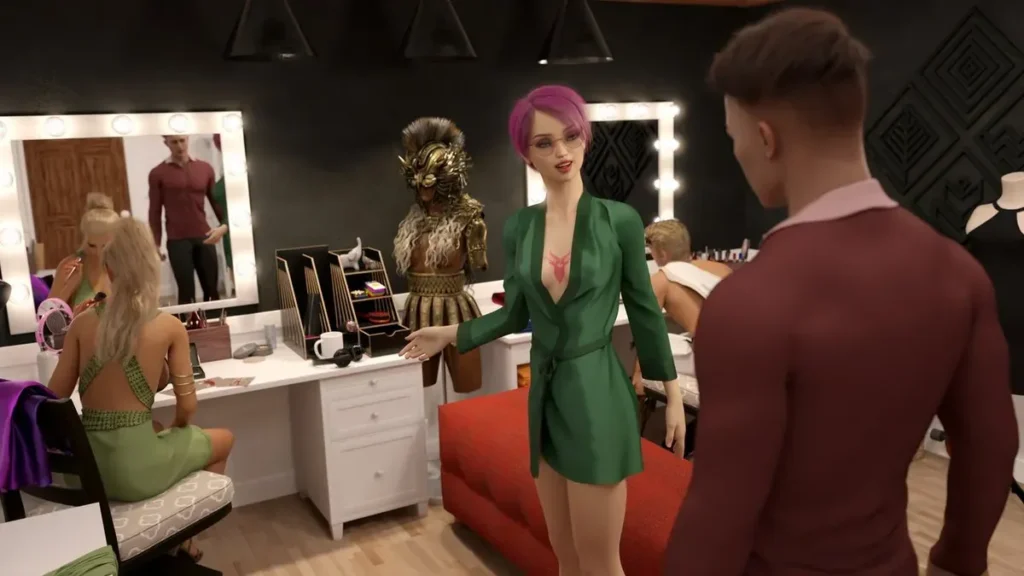
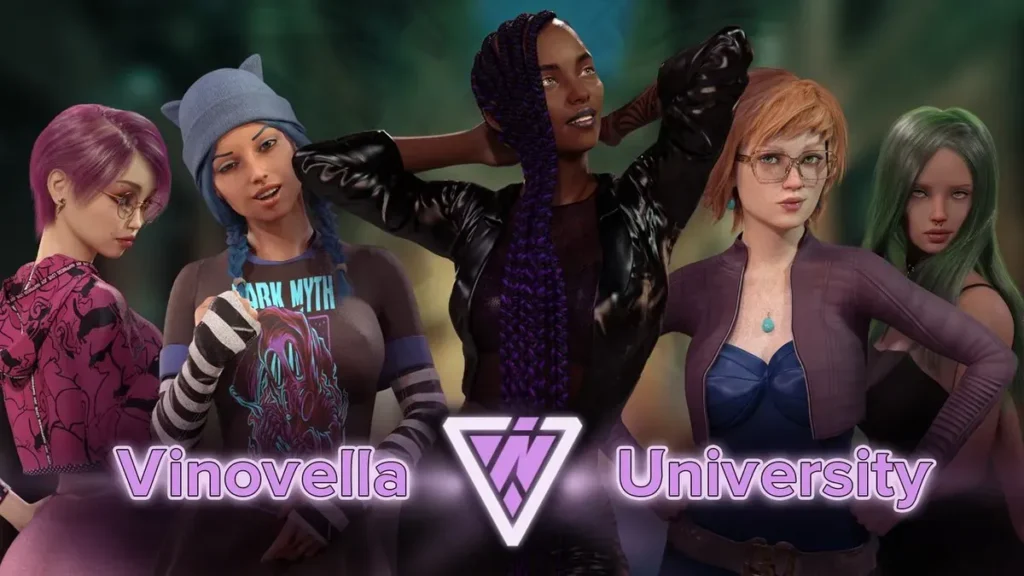
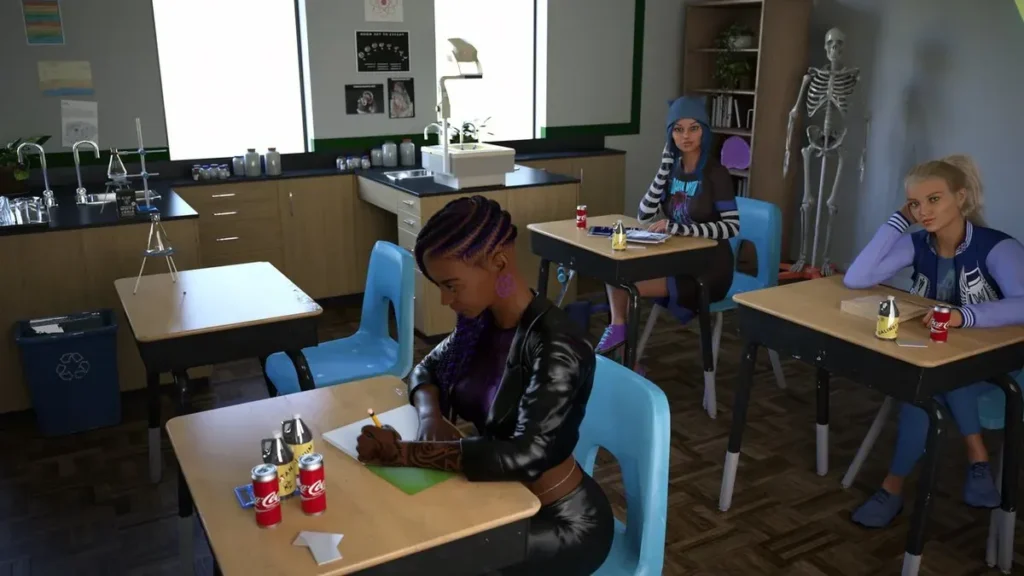
Taboo University Book One is a choice-driven visual novel that combines mystery investigation with branching narrative paths. Players take on the role of an undercover police officer infiltrating ViNovella University to uncover the disappearance of three missing girls. The game stands out for its faction-based storyline system, where your alignment with groups like the Cult, Syndicate, or Winners Club dramatically shapes your investigation experience. With over 50 animated scenes and multiple character paths to explore, this game offers significant replay value for players seeking an engaging narrative experience with meaningful choices.
Understanding Taboo University’s Core Gameplay & Story
Ever feel like you’re just going through the motions in a game, your choices amounting to little more than a slightly different line of dialogue? 😴 I know I have. That’s why diving into Taboo University was such a breath of fresh, if slightly ominous, air. You’re not just reading a story; you’re conducting an investigation where every single decision carries weight. At its heart, this choice-driven visual novel places you in the worn-out shoes of an undercover police officer, tasked with infiltrating the prestigious ViNovella University to solve the chilling case of three missing girls. What seems like a straightforward job quickly unravels into a web of secrets, where who you trust determines not just what you discover, but if you survive to tell the tale. 🕵️♂️📚
The core loop is deceptively simple: talk, explore, and choose. But the brilliance lies in the execution. This isn’t a game with a few big, obvious forks in the road. Instead, the Taboo University gameplay mechanics are woven into the fabric of every interaction. A seemingly casual compliment to a classmate, choosing to skip a lecture to tail a suspect, or deciding how aggressively to press a professor for information—these aren’t flavor text. They are active threads you pull on, and you can feel the entire narrative tapestry shift in response. The game brilliantly sells the fantasy of being a detective, where your intuition and people skills are your primary tools.
Pro Tip: There is no “right” way to play. On my first run, I tried to be the perfect, by-the-book cop. Let’s just say… the case went cold. The game rewards boldness, curiosity, and sometimes, playing a role a little too well.
What truly defines the Taboo University gameplay mechanics is the sense of tangible consequence. The game tracks everything—affinities with characters, faction reputations, clues discovered, and even your own stress level. This data silently feeds into a complex branching narrative machine. You might think a choice only affects the immediate scene, only to have it circle back hours later in a dramatic confrontation you never saw coming. This system creates what I believe is one of the most compelling investigation visual novel game experiences available, because the mystery isn’t just happening to you; you are actively, and often messily, creating it.
To break down the essentials, here are the key features that power your investigation:
- Choice-Driven Storytelling: Virtually every dialogue option and action has a consequence, shaping relationships, unlocking new paths, and closing others.
- Multiple Endings: Your decisions culminate in one of several dramatically different conclusions, from triumphant solves to tragic failures or morally ambiguous truths.
- Faction Alignment System: Your standing with the three main power groups on campus—the Cult, the Syndicate, and the Winners Club—directly opens or blocks major story arcs.
- Replay Gallery: With over 50 animated scenes, the game incentivizes multiple playthroughs to see every twist, character moment, and secret.
What Makes the Investigation Unique
The ViNovella University mystery is the engine that drives everything. Unlike a passive thriller, the pressure to solve the case is palpable. You’re living a double life, balancing your academic cover with your real mission, and the game makes you feel that strain. Clues aren’t simply highlighted items you click on. They are pieces of gossip overheard in the cafeteria, a nervous tic you spot during a conversation, or a contradictory statement in a student’s file that you have to remember and later confront them about. 🧩
The investigation gameplay is deeply integrated with the social simulation. To get information, you need to get close to people. This means attending parties you’d rather avoid, joining study groups with potential suspects, and sometimes exploiting the Taboo University character relationships you’re building. It creates fantastic role-playing moments. Do you flirt with a key witness to lower their guard, potentially compromising your professionalism? Do you threaten a connected student to gain leverage, risking your cover? The game constantly presents you with these ethically grey dilemmas, and your approach directly influences which leads you uncover.
The mystery itself is layered. The initial goal of finding the missing girls is just the entry point. As you dig, you begin to expose the rot beneath ViNovella’s glittering surface—corruption, ancient rivalries, and hidden societies. The joy comes from connecting dots that the game doesn’t explicitly connect for you. Remembering that the shy art student mentioned a “private gathering” the same night a key piece of evidence went missing can be the breakthrough you need. This active, mental participation is what sets it apart as a premier branching narrative paths game.
How Faction Choices Shape Your Experience
If the missing girls are the “what” of your investigation, the factions are the “who.” ViNovella University is a powder keg of conflicting ideologies, and your survival hinges on navigating this political minefield. Aligning yourself with a group isn’t just a story beat; it’s a fundamental gameplay decision that reroutes your entire experience. The Taboo University factions are not mere clubs; they are powerful, dangerous entities with their own goals, resources, and secrets.
Playing a neutral, lone-wolf detective is a surefire path to hitting brick walls. Each faction controls access to different parts of the campus, different characters, and most importantly, different layers of the truth. Gaining their trust opens exclusive missions, secret meetings, and unique perspectives on the central ViNovella University mystery. However, gaining favor with one often means earning the enmity of another, locking you out of their storyline and potentially making them active antagonists.
Let me give you a case study from my playthroughs. In one run, I ingratiated myself with the Syndicate, drawn by their promise of raw power and influence. This gave me access to blackmail material and muscle to intimidate suspects, solving problems through fear and coercion. In another, I was seduced by the esoteric knowledge of the Cult, which unlocked a whole supernatural angle to the investigation I didn’t even know existed! Each path felt like a completely different game, with unique dangers and moral compromises.
To help you navigate this crucial choice, here’s a breakdown of the three main power players:
| Faction | Characteristics & Allure | Gameplay Focus | Unique Challenges |
|---|---|---|---|
| The Cult | Secretive, esoteric, and obsessed with the university’s ancient history and hidden rituals. Offers forbidden knowledge. | Puzzle-solving, deciphering cryptic clues, and navigating supernatural or psychological horror elements. Unlocks the “weirdest” threads of the mystery. | Risk losing your grip on reality. Trust is ephemeral, and their “tests” can have permanent psychological consequences on your character. |
| The Syndicate | The criminal underbelly. All about power, control, and profit through blackmail, gambling, and illicit deals. | Social manipulation, resource management (favors, money), and high-stakes intimidation. Provides brute-force solutions to investigative obstacles. | Morally darkest path. You’ll be asked to do terrible things. Betrayal is common, and the police line you’re meant to toe becomes hopelessly blurred. |
| The Winners Club | The elite “old money” students and legacy admits. They rule the social scene and have deep connections to faculty and administration. | High-society social gameplay, reputation management, and using privilege as a weapon. Access to “official” records and closed-door meetings. | A gilded cage. Progress requires maintaining a flawless facade. The politics are cutthroat, and one social misstep can exile you from their world entirely. |
Understanding these Taboo University factions is key to strategizing your playthrough. Do you want a story of occult horror, gritty crime, or toxic privilege? Your early interactions set this trajectory. The replay value here is immense, as each faction reveals a distinct slice of the truth—and a distinct version of your own character.
Character Relationships and Branching Paths
While factions provide the macro-structure, your micro-interactions with individuals are the soul of the game. Taboo University character relationships are the primary vehicle for the choice-driven visual novel experience. Every character, from a nervous freshman to a stern professor, has their own agenda, secrets, and affinity meter that reacts to your choices. 🫂
These relationships are how you gather most of your information. A character won’t just divulge secrets because you ask; you need to build rapport, find common ground, or discover what they want and offer it. Maybe the campus librarian will only share restricted archives if you help discredit a rival. Perhaps a member of the Syndicate will give you a crucial name only if you owe them a dangerous favor. The game masterfully turns every social interaction into a potential negotiation or interrogation.
This is where the branching narrative paths game design shines brightest. Early on, I decided to befriend a quiet, artistic student named Leo. I attended his gallery show, chose supportive dialogue, and helped him with a personal problem. This opened a deep, platonic friendship arc where he became my most trusted informant, secretly sketching suspects and giving me access to the arts building at night. In a different playthrough, where I was brusque and focused only on the mission, he remained a closed-off background character. His entire storyline—and the crucial clues within it—vanished.
The branching is not always about grand, life-altering decisions. It’s cumulative. Choosing to have a drink with one group of students means you miss the chance to eavesdrop on another. Offering comfort to a grieving friend might boost their affinity but make you late to a meeting with a faction leader, damaging your standing with them. The game is a constant, thrilling balancing act.
This all builds towards the legendary replayability. With a gallery boasting over 50 animated scenes, the game is practically begging you to explore every nook and cranny of its narrative. You’ll replay not just to see a different ending, but to discover entire character arcs, faction missions, and layers of the mystery that were completely invisible on your first run. Want to see what happens if you romance the sinister faction leader? Or if you betray everyone in a quest for the truth at any cost? The Taboo University gameplay mechanics support and encourage these wild deviations.
In the end, Taboo University is more than a game about solving a case; it’s about living an investigation, with all its personal compromises, moral hazards, and shocking revelations. Your journey through the ViNovella University mystery will be uniquely yours, shaped by the factions you court and the relationships you forge or burn. It stands as a pinnacle of the choice-driven visual novel genre, proving that when every choice truly matters, the story doesn’t just change—it becomes profoundly, personally yours. 🔍✨
Taboo University Book One delivers a compelling experience for players seeking a mystery-driven visual novel with meaningful choices and character depth. The game’s strength lies in its faction-based narrative system, which ensures that each playthrough feels distinct and rewarding. Whether you’re drawn to the investigation aspect, character relationships, or the variety of branching storylines, the game offers substantial content with over 50 scenes to unlock and multiple paths to explore. The choice-driven mechanics ensure that your decisions genuinely impact the story’s direction, making it a worthwhile experience for fans of interactive fiction. If you enjoy visual novels that prioritize narrative complexity and player agency, Taboo University presents an engaging mystery worth unraveling across multiple playthroughs.