
Max’s Life
Play Max’s Life
Max’s Life Screenshots




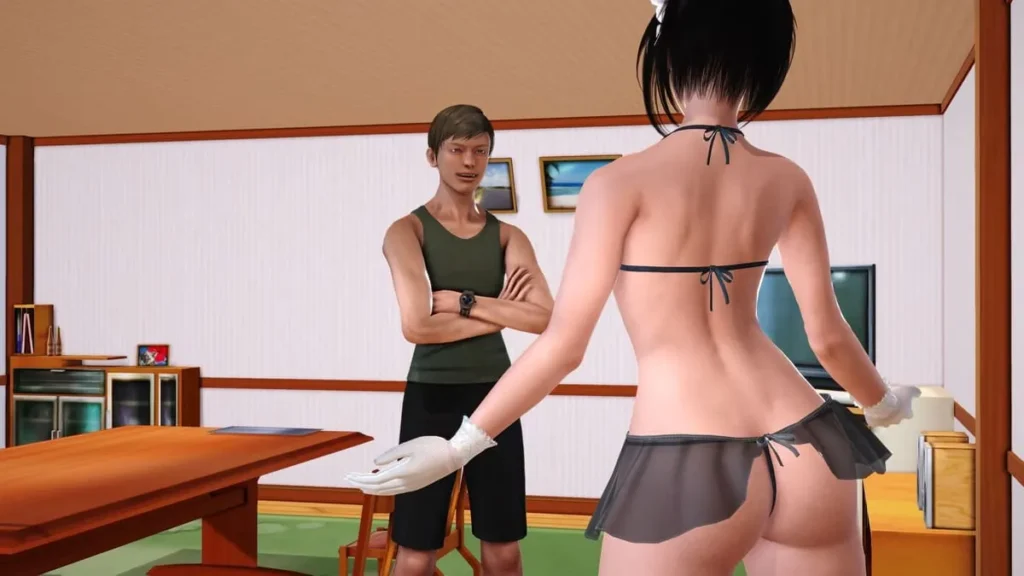







Max’s Life review
Master every character path, unlock all achievements, and maximize your gameplay experience
Max’s Life is a complex adult simulation game that challenges players to navigate relationships, manage resources, and make strategic choices that impact character development and story outcomes. Whether you’re new to the game or looking to optimize your playthrough, understanding the core mechanics—from corruption and love point systems to character-specific pathways—is essential for unlocking all content and achievements. This comprehensive guide breaks down everything you need to know to master every aspect of the game, from initial setup through endgame scenarios, helping you achieve your desired outcomes with each character and storyline.
Understanding Game Mechanics and Character Systems
Ever been completely lost in Max’s Life, clicking through dialogue options and hoping for the best? 🤔 I know I was. My first playthrough was a mess—I was broke, my relationships were all over the place, and I kept hitting invisible walls in the story. It felt like I was missing half the game! The problem was that I didn’t understand the core systems driving everything. This wasn’t just about picking “nice” or “naughty” dialogue; it was a delicate dance of points, resources, and time.
Mastering the Max’s Life game mechanics is the single most important thing you can do to unlock the full experience. Think of it as learning the rules of the board before you can win the game. Every conversation, every purchase, every time you choose to work or rest—it all feeds into interconnected systems that determine your path. In this guide, we’re going to demystify it all. We’ll break down the brilliant love and corruption points system, give you a practical character progression guide, show you how to manage in-game currency and resources, and explain how hitting those crucial character point thresholds unlocks the content you’re after. Let’s turn that confusing first run into a strategic masterpiece.
How Love and Corruption Points Work
At the absolute heart of your journey in Max’s Life is its signature mechanic: the dual-point system. 🎭 This isn’t a simple good/evil meter. For each major character, you’re independently cultivating two separate relationship metrics: Love Points (L) and Corruption Points (C). Understanding this is your key to unlocking the game’s depth.
Each character has their own unique track. So, being corrupt with one person doesn’t affect your “pure” relationship with another. Here’s the golden rule: Love Points typically represent trust, affection, and genuine emotional connection. Corruption Points represent influence, seduction, and pushing boundaries toward more intimate or taboo scenarios. You earn these points through specific dialogue choices, actions, and gifts. A kind, supportive conversation might give +2 Love, while a flirtatious or daring remark might give +1 Corruption and +1 Love, or sometimes just Corruption.
The magic happens when you reach specific character point thresholds. The game doesn’t always show you a number, but it’s constantly checking your totals. For example, reaching 10 Love with a character might unlock a new, more personal conversation topic at their location. Getting your Corruption with them to 15 might then unlock an option within that new conversation to take things further. Scenes, story branches, and endings are all gated behind these hidden numerical milestones. It’s why you might feel “stuck”—you simply haven’t hit the required combination of points yet.
To keep track of this web of relationships, the game uses simple abbreviations. Knowing these is essential for any Max’s Life relationship tracking you might do on your own (and trust me, you’ll want to). Here’s a quick reference:
| Character | Point Abbreviation | What It Represents |
|---|---|---|
| Mom | ML / MC | Motherly affection vs. Taboo influence |
| Aunt | AL / AC | Familial bond vs. Forbidden temptation |
| Laura | LL / LC | Friendly/Sisterly connection vs. Romantic & seductive progression |
| Rita | RL / RC | Neighborly friendship vs. Adventurous, dominant exploration |
| Dominique | DL / DC | Professional respect vs. Submissive dynamics |
Pro Tip from a Hard Lesson: Don’t try to max both points for a character at the same time on one save. Early on, I spread my points too thin and couldn’t reach the higher thresholds for any path. Focus on one primary direction (Love-leaning or Corruption-leaning) per playthrough to see the most content.
The love and corruption points system is what makes every choice meaningful. Giving a gift of flowers might boost Love, while giving a bottle of wine might boost Corruption. Even the time of day you visit someone can affect which type of points are available to earn! This system is the true engine of the Max’s Life game mechanics, creating countless replayable scenarios from the same core interactions.
Character Progression and Relationship Tracking
Now that you know what the points are, let’s talk about how you manage your journey with each person. This is your practical character progression guide. 🗺️ Unlike many games, Max’s Life doesn’t have a big, flashing relationship menu. You have to pay attention to the story beats and unlocked options, which is part of the charm—and the challenge.
Your progression with each character is like following a branching vine. Early, low-threshold choices lead to new branches (scenes/interactions), which themselves lead to further branches. A pure Love path with Laura (LL) might lead to sweet, romantic dates and deepening emotional intimacy. Her Corruption path (LC), however, might lead to more physically adventurous and secretly intense encounters. The scenes, dialogue, and even locations you access will be completely different.
So, how do you track this without an in-game menu? Here’s my actionable advice:
- Keep a Notepad Handy (Digital or Physical): Seriously, this is the oldest trick in the book and the most effective. Jot down character initials and make a tick mark for each significant interaction you feel granted points. Note what you did (e.g., “Helped Mom with dishes – likely +ML,” or “Flirted with Rita at night – likely +RC”).
- Observe Available Options: The game itself is your best guide. If you visit a character and a brand new conversation topic appears, you’ve hit a point threshold. If an old topic disappears, the story has progressed past it. This visual change is your confirmation of progress.
- Focus on One or Two Paths Per Playthrough: Given the limited in-game time (the day/night cycle), you cannot see everyone’s full story in one go. On a “Corruption” run, you might focus on Rita (RC) and Aunt (AC). On a “Love” run, you might pursue Laura (LL) and Mom (ML). This focused approach ensures you gather enough points to hit the later, juicier thresholds.
Personal Insight: I found Laura’s Love path (LL) to be the most rewarding for a first “feel-good” playthrough, while dedicating a save file entirely to Rita’s Corruption path (RC) unlocked some of the wildest and most game-changing scenes. They felt like entirely different stories!
This intentional approach to Max’s Life relationship tracking is what separates the beginners from the masters. It transforms the game from a passive visual experience into an active, strategic puzzle. You’re not just watching Max’s life; you’re architecting it, choice by choice, point by point. And remember, your progression is tightly linked to your resources—you can’t give expensive gifts if you’re broke, which leads us to…
Resource Management and In-Game Currency
Welcome to the grind, baby! 💸 While relationships are the heart of Max’s Life, dollars are the lifeblood that keeps the story moving. Smart management of your in-game currency and resources is what enables your grand romantic (or corrupt) plans. You can’t buy that perfect gift or essential item from the shop if you’re constantly broke.
First, let’s talk about making money. Your primary job is working for Dominique. This isn’t just a button you click; it’s a strategic decision that consumes your valuable in-game time (either a day or night cycle). The payout is solid and is your most reliable income stream. Other opportunities might pop up through story progression, but Dominique’s work is your bread and butter.
Here are the key money-earning opportunities and smart spending priorities:
- Working for Dominique (The Main Gig): Consumes a time block. Provides a substantial, regular cash injection. Priority: Do this consistently early on to build a bankroll.
- Story-Based Opportunities: Occasionally, other characters might offer you a task for cash. These are usually one-time deals but can be lucrative.
- Strategic Spending Priorities:
- Gifts for Target Characters: This is your number one expense. Check the shop and note which items are listed as gifts for specific characters. Buying and giving these is often the most direct way to boost Love or Corruption points.
- Key Items from the Shop: Some items aren’t gifts but are used in specific scenes or to unlock certain interactions. If you’re following a guide or a specific path, prioritize these.
- General Funds: Always keep a little cash on hand for unexpected opportunities or new items that appear in the shop as the story progresses.
The day/night cycle is your most precious resource—even more than money. Every action, whether it’s working, visiting someone, or even resting, advances time. You cannot do everything in one cycle. This is where time management becomes a core Max’s Life game mechanic. A typical strategic day might look like: Work for Dominique during the Day (earn cash) -> Visit Laura at Night (spend cash on a gift to boost LL/LC). You are constantly balancing your need for funds against your need to build points.
Case Study – My “Aunt’s Corruption” Run: I wanted to focus on Aunt’s AC path. I realized certain expensive lingerie from the shop was a key gift for a high-threshold scene. I spent three in-game days just working and saving, barely interacting with anyone else. It felt like a slog, but when I finally bought the item and triggered the scene, it unlocked a whole new story branch. The investment was worth it.
Finally, let’s touch on the Max’s Life achievement system. 🏆 Achievements are awarded for completing major milestones, often tied to seeing a character’s specific story conclusion, collecting all scenes of a certain type, or making particularly unique choices. They are the game’s way of rewarding you for fully exploring a path. That “Pure Love” achievement for maxing a Love path? It requires dedicated focus and resource allocation on that one character. The achievement system encourages replayability and is a great external tracker for the content you’ve seen.
By mastering the love and corruption points system, diligently tracking your character progression, and wisely managing your in-game currency and resources, you transform your gameplay from confused clicking to purposeful storytelling. You’ll know exactly why you’re working that shift for Dominique, what that special gift will unlock, and how close you are to the next major scene. This understanding is the ultimate power in Max’s Life, allowing you to move from being a passive observer to the true author of Max’s story. Now go out there, hit those character point thresholds, and start unlocking everything this deep game has to offer
Max’s Life offers a deep, choice-driven experience where understanding the interconnected systems of love points, corruption mechanics, and character-specific pathways is crucial to unlocking all content. By mastering the foundational mechanics, following character-specific progression guides, and employing advanced strategies for mini-games and resource management, you can achieve complete mastery of the game. Whether you’re pursuing specific character endings, collecting all achievements, or exploring every possible storyline variation, this guide provides the framework needed to navigate every aspect of the game successfully. Take your time with each playthrough, experiment with different choices, and enjoy discovering all the unique interactions and scenarios that Max’s Life has to offer.