Dating My Daughter
Play Dating My Daughter
Dating My Daughter Screenshots






















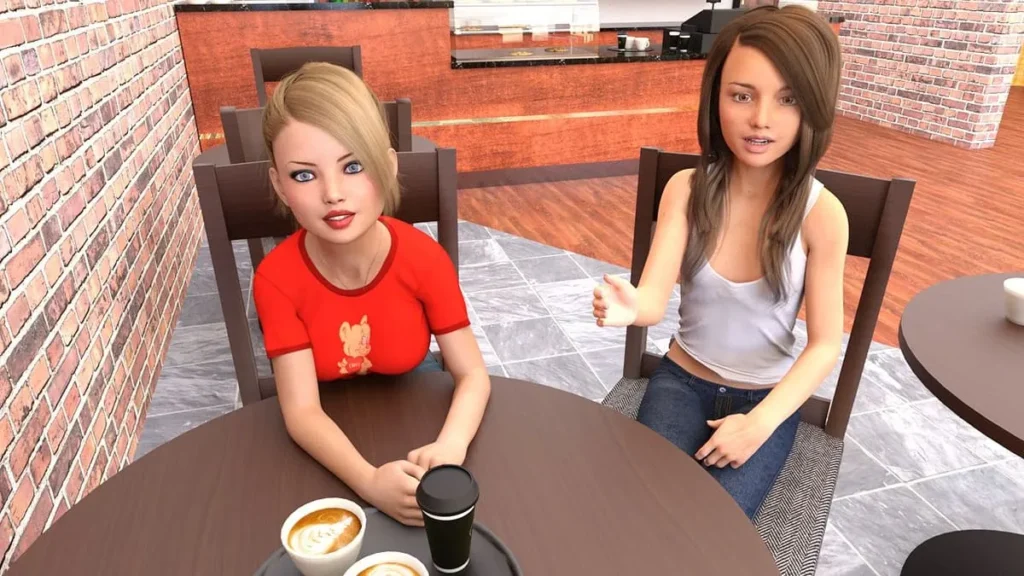
Dating My Daughter review
A personal, in-depth look at the Dating My Daughter visual novel and how to get the most from its branching story
Dating My Daughter is a branching visual novel that blends emotional storytelling, relationship-building, and impactful choices in a way that keeps players invested from the first scene. In this guide, I’ll walk you through how the Dating My Daughter game works, what makes its narrative stand out, and how to make decisions that shape your preferred route and ending. Drawing on my own playthroughs and community experiences, we’ll focus on practical advice, key mechanics, and story insights so you can enjoy the game without feeling lost or overwhelmed by all the different paths.
Dating My Daughter Game Overview and Core Story Premise
So you’ve heard the name “Dating My Daughter” floating around, maybe seen some chatter online, and you’re wondering what all the fuss is about. 🤔 Is it a game? A story? Something… else? If you’re curious but haven’t taken the plunge yet, let me pull up a virtual chair and break it down for you. As someone who’s navigated its emotional corridors more times than I can count, I can tell you it’s an experience that stays with you, for reasons that might surprise you.
This isn’t a quick arcade blast or a strategic puzzle. It’s a journey into narrative, choice, and the complicated beauty of human connection. Let’s dive into the heart of this unique interactive story game.
What is Dating My Daughter and how does it play?
At its core, the Dating My Daughter game is an adult visual novel. Now, before any assumptions run wild, let me clarify: while it is made for a mature audience, its true power lies in its storytelling, not just its mature themes. Think of it less as a traditional “game” with points to score or enemies to defeat, and more like an interactive comic or a choose-your-own-adventure movie where you are the director of emotion and consequence. 🎬
So, how does Dating My Daughter work? The mechanics are beautifully simple and entirely focused on the narrative:
- You read through beautifully illustrated 2D scenes, accompanied by a soundtrack that perfectly sets the mood—be it tense, tender, or nostalgic.
- Dialogue and narration drive everything forward. You’ll get to know the Dating My Daughter characters through their words, thoughts, and expressions.
- At key moments, the story pauses and presents you with dialogue options or actions. This is where you play. Do you offer a supportive smile or keep a cautious distance? Do you ask a probing question or change the subject?
- Your choices are the engine of the Dating My Daughter story. They build invisible “relationship points” with characters, lock or unlock future scenes, and gently steer the narrative down one of several branching paths. The game is structured over multiple in-game days and chapters, meaning your early decisions ripple outward, shaping entire future interactions.
There are no time limits, no quick-time events. The pace is yours. You sit back, absorb the atmosphere, and make the choices that feel true to the character you want to be in this world. It’s a Dating My Daughter visual novel in the purest sense: a novel where you are an active participant in the plot.
My Tip: Don’t rush. The first time I played, I clicked through choices quickly, trying to “progress.” I missed the subtlety. Now, I let scenes linger, reading the descriptions and listening to the music. It transforms the experience from reading a script to inhabiting a moment. 🕰️
Story setup: who are the main characters and what is their situation?
The premise of the Dating My Daughter game is its most striking hook, and it’s all about context. You play as a middle-aged man—a father—who has been absent from his daughter’s life for many years. The reasons for this separation are part of the story’s fabric, woven with threads of regret, missed time, and the quiet desperation of a broken connection.
The story begins with a tentative, awkward reunion. Your daughter, now a young woman, is no longer the little girl you remember. She’s her own person, with her own life, friends, dreams, and walls built up over a lifetime of your absence. The core of the entire Dating My Daughter visual novel is the painfully realistic, gradual attempt to rebuild trust, bridge that emotional distance, and navigate the strange, new territory of knowing each other as adults.
It’s a story about second chances, fragile hope, and the courage it takes to be vulnerable. This isn’t a fantastical plot with dragons or spaceships; the drama is intimate, psychological, and deeply human. The tension comes from a hesitant conversation over coffee, the weight of an unasked question, or the fragile warmth of a shared, quiet laugh.
The cast extends beyond the central pair, and these Dating My Daughter characters are crucial. You’ll meet your daughter’s friends, your own coworkers, and other potential relationship interests. These aren’t just background extras. How you interact with them can provide support, create conflict, offer alternative perspectives, and directly influence the delicate ecosystem of your main relationship. A bonding moment with a friend might give you advice you need later, while a misstep could add pressure to an already strained situation.
| Character Role | Their Impact on the Story |
|---|---|
| The Father (You) | The protagonist. Your choices define the tone, pace, and ultimate outcome of the reconnection. Your personality is built through your decisions. |
| The Daughter | The central relationship. Her reactions, openness, and growth are directly tied to your cumulative choices. She is complex, not a mere object of the story. |
| Friends & Other Characters | Act as mirrors, supporters, or complications. They provide subplots, emotional refuge, or additional drama that tests and shapes the main journey. |
Playing through their story over the in-game days feels uniquely personal. You wake up to new mornings in the game world, wondering what the next conversation will bring. You feel the weight of the past and the fragile possibility of the future. It’s this slow-burn, day-by-day progression that makes the Dating My Daughter story feel less like a game and more like a life you’re peeking into—and influencing.
Quick FAQ for the Curious New Player:
- Is the Dating My Daughter game just about romance?
No, that’s a common misconception from the title. It’s primarily a story about reconnection, parenthood, and reconciliation. Romance can become a part of certain narrative paths, but it’s framed within the incredibly complex context of rebuilding a severed familial bond. The emotional core is multifaceted. - Do my choices really change the outcome?
Absolutely, and this is the magic. This isn’t an illusion of choice. Early, seemingly minor decisions about tone, trust, and honesty can determine which scenes you see, which conversations are available, and which of the multiple endings you will reach. Your playthrough is genuinely yours.
Why the emotional focus of Dating My Daughter keeps players hooked
This is where the Dating My Daughter visual novel separates itself from many other interactive story games. Its hook isn’t just about “what happens next,” but “how does what I just said make them feel?” The game masters emotional cause and effect. 🎯
The writing leans heavily into dialogue and internal monologue. A single reply can be chosen to be empathetic, neutral, defensive, or humorous. The game then remembers. A character might reference that supportive comment you made three “days” ago, creating a touching callback that makes the world feel alive and continuous. Conversely, a pattern of distant replies will cause walls to go up, making future openness harder to earn. It’s a brilliant simulation of how real relationships are built—through consistent, small acts of understanding.
Let me give you a personal example from an early playthrough. In the first proper conversation with my daughter, she was venting about a stressful day. One of my dialogue options was a simple, “I’m sorry you had to deal with that.” Another was more action-oriented: “Want me to handle it?” A third was dismissive: “Everyone has bad days.”
I chose the empathetic, “I’m sorry.” It felt like the right thing to do to build a bridge. What shocked me was how this tiny choice echoed. Later, during a much more intense argument, she referenced that moment: “You actually listened that first time. You just… heard me. I’m trying to remember that now.” It completely changed the temperature of the argument. In another playthrough where I’d been more consistently brusque, that same argument scene was far colder, with her shutting down entirely. The Dating My Daughter story is built on hundreds of these microscopic moments of authenticity.
The atmosphere does half the work. The art style renders characters with expressive detail—a slight frown, a hesitant glance, a genuine smile. The music swells and recedes with the emotional beats, from lonely piano melodies to warmer, more hopeful tones. This combination creates a powerful sense of intimacy and immersion. You’re not just clicking buttons; you’re sitting in the room with them, feeling the silence, catching the subtext.
If you’re a player who craves rich character development, who enjoys stories where psychology is the primary battlefield, and who finds satisfaction in seeing the long-term consequences of your words, then the Dating My Daughter game is crafted for you. It’s a slow-burn drama that you control, a deeply personal exploration of regret and redemption that proves just how powerful the medium of the adult visual novel can be when it prioritizes the heart over everything else. ❤️🔥
It turns a simple question—”What would you say?”—into the most compelling gameplay mechanic of all.
Dating My Daughter stands out because it treats your time and decisions with respect, rewarding patience, curiosity, and emotional investment. Once you understand its story-driven structure and the way choices ripple through later scenes, the game becomes less confusing and far more rewarding to explore. As you dive in, pay attention to tone, small dialogue options, and how each moment contributes to the wider relationship arc. If you approach it as a slow, interactive drama rather than a quick thrill, you’re far more likely to discover the routes and endings that resonate most with you. When you’re ready, start a fresh playthrough, experiment with different decisions, and see how many variations of this story you can uncover.